
Planning & Tips
How to Dress for -30°C: The Science of Extreme Winter Layering
6 min read
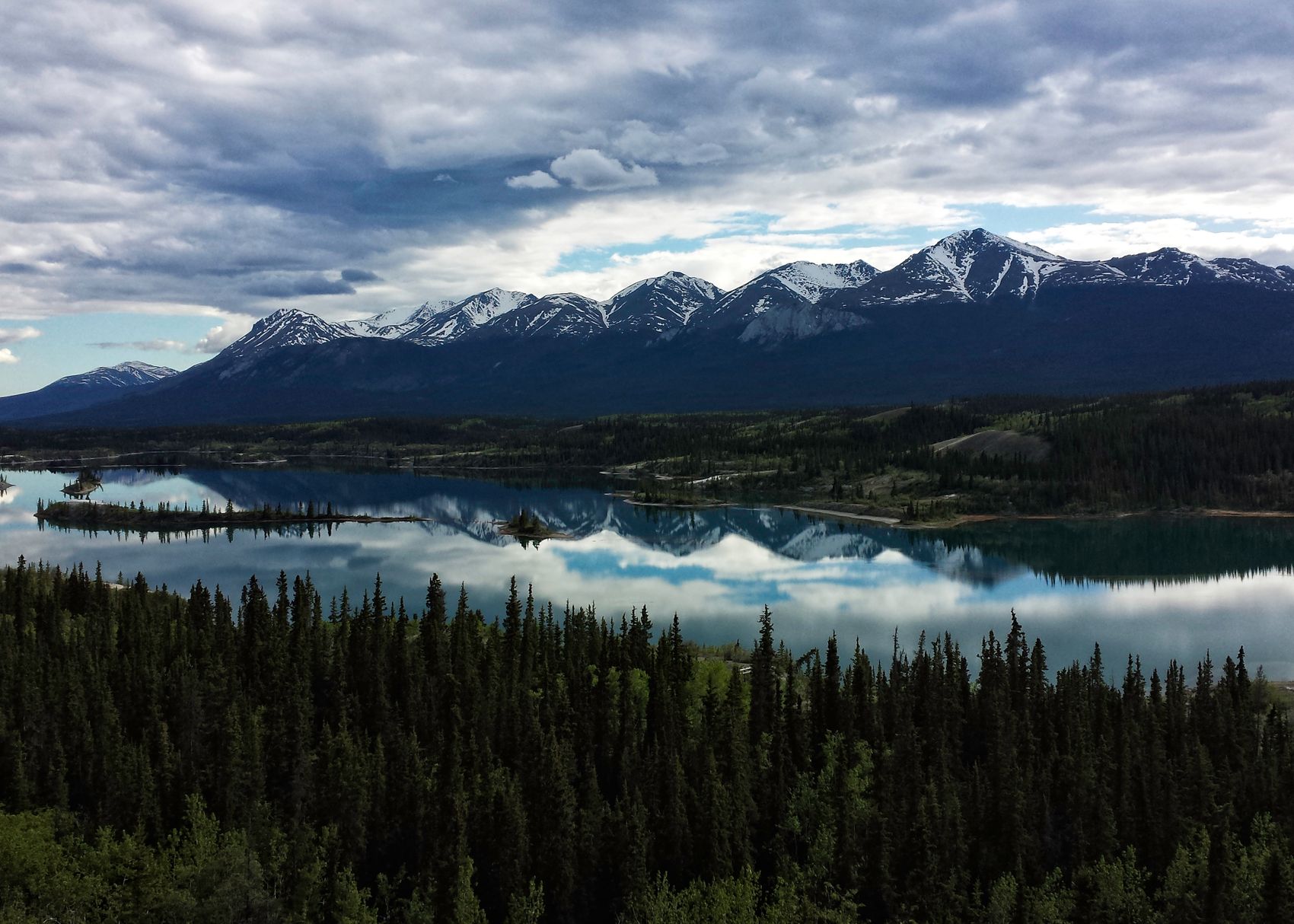
How to Dress for -30°C: The Science of Extreme Winter Layering
The three layers
Base layer: a snug wicking layer of merino wool or synthetic (never cotton, which holds sweat and chills you) against the skin. Mid layer: insulation such as fleece or down that traps warm air — sometimes two thinner mid layers beat one thick one. Outer layer: a windproof, water-resistant shell that blocks the wind stealing your heat. Together they let you fine-tune warmth as you move between cold outdoors and warm indoors.
The big parka
For standing around in real cold — aurora watching, dog sledding — add a heavy, hooded down or synthetic parka over your layers. This is where a proper cold-rated coat earns its keep. Many tour operators loan parkas and boots, so you may not need to buy your own.
Feet, hands, and face
Extremities freeze first. Wear insulated, roomy winter boots (tight boots cut circulation and get colder) with a wicking and a warm sock. Choose mitts over gloves for warmth, ideally with liner gloves underneath so you can briefly bare your fingers for a camera. Cover your face and neck with a balaclava or neck gaiter, and never skip a warm hat — much heat escapes from an uncovered head.
Small things that matter
Chemical hand and toe warmers are cheap and transformative. Goggles or sunglasses cut glare and wind. Keep phone and camera batteries warm in an inside pocket. And carry a small pack so you can shed and stash layers as you warm up.
Manage sweat and moisture
The enemy in the cold is dampness. Ventilate or remove layers before you overheat during activity, then add them back when you stop. Damp clothing from sweat will chill you fast once you’re still.
Dress in the system, protect your extremities, and keep dry — and the Yukon winter transforms from something to fear into a crisp, exhilarating wonderland you’ll actively want to be out in.
Frequently asked questions
What’s the three-layer system?
A wicking base layer, an insulating mid layer (fleece or down), and a windproof/water-resistant outer shell. Add or remove layers to regulate warmth.
Are gloves or mitts warmer?
Mitts are warmer because your fingers share heat. Wear thin liner gloves underneath so you can briefly expose fingers for tasks like using a camera.
Do I need to buy a heavy parka?
For standing in deep cold a cold-rated parka helps, but many aurora and dog-sled operators loan parkas and boots, so ask before buying.
Where to stay
Rooms worth pairing with this guide.



Ready to plan this trip?
Real prices for the places this piece names.


