
Seasons & events
Yukon in summer vs winter: which trip should you take?
5 min read

Yukon in summer and winter
Summer wins on
Daylight (20+ hours in June), road access (every gravel highway open, no snow), hiking (100+ trails accessible), wildlife (bears, moose, and birds all active), water activities (canoeing the Yukon River, swimming Kookatsoon Lake), and price flexibility (more hotel choice). Downsides: mosquitoes in June-July are brutal in the woods, tourist volume is highest, and there's no aurora between mid-May and mid-August.
Winter wins on
Aurora (obviously — the whole reason for a March trip), dog-sledding (real mushing, not gimmicky), Eclipse Hot Springs (steam and northern lights combo), snowshoeing and cross-country skiing (85 km groomed at Mt Mac), and quieter towns. Downsides: cold (minus 20 to minus 40), 6-7 hours of daylight in December, some roads closed (Dempster gets hairy), and higher lodge prices. If it's your first trip and you want variety: go in summer. Second trip: winter.
Frequently asked questions
Which season for families with kids under 10?
Summer — winter activities need older kids to enjoy the cold enough to appreciate them.
Which for a couples aurora trip?
Winter, specifically mid-February to late March for the balance of dark nights and tolerable temperatures.
Where to stay
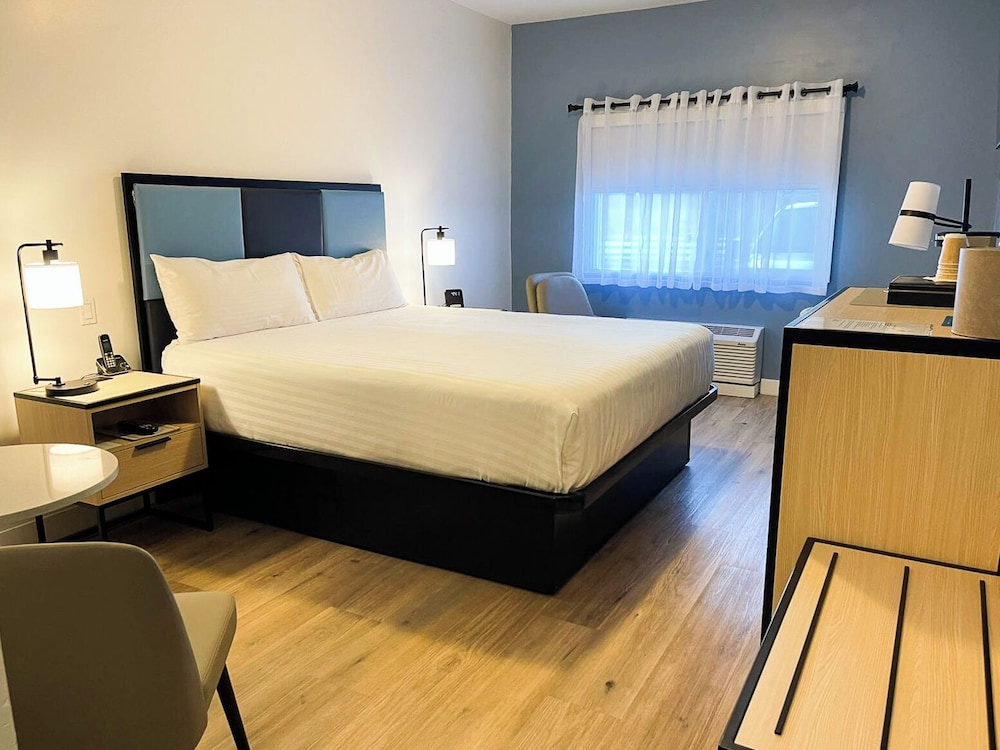
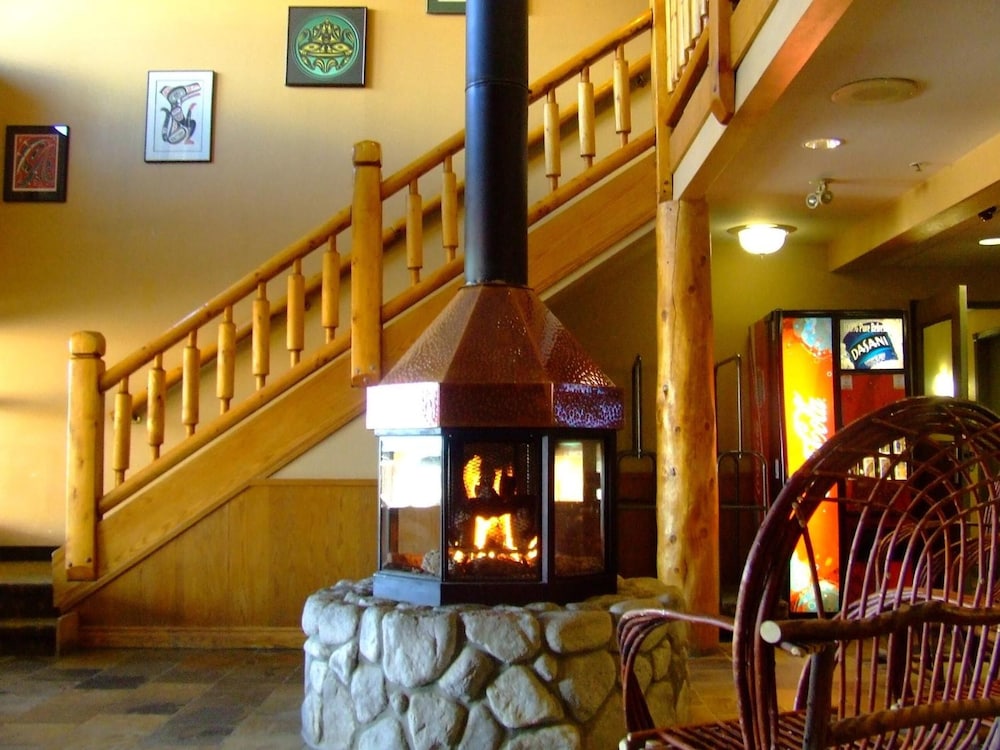
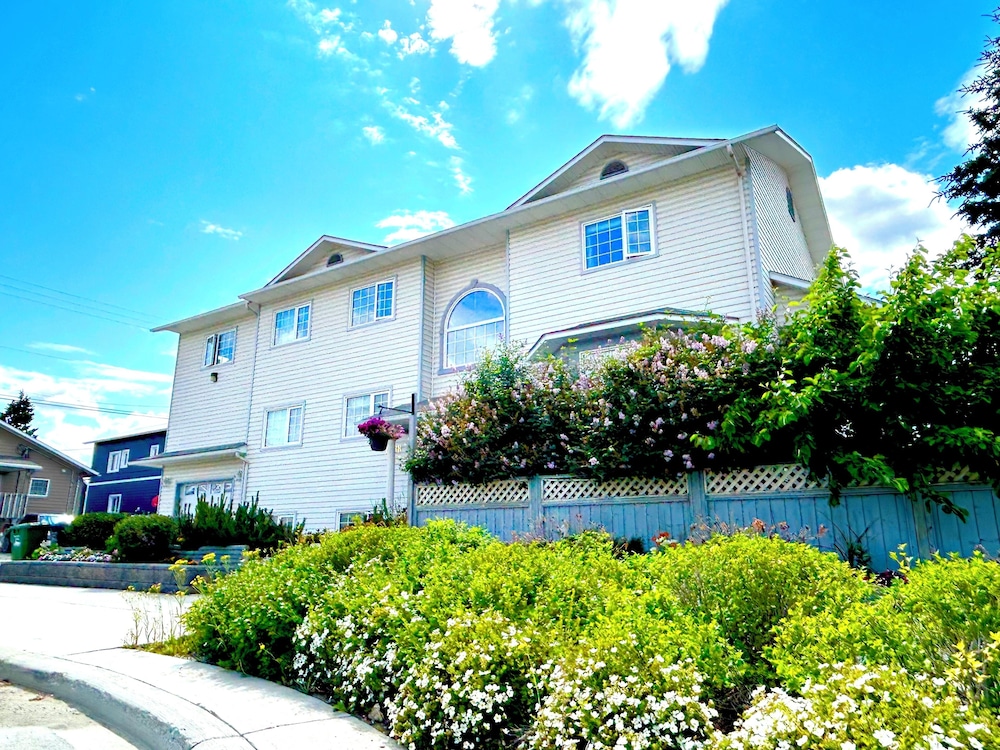
Rooms worth pairing with this guide.

Ready to plan this trip?
Real prices for the places this piece names.

