
Summer & Midnight Sun
Angler’s Paradise: A Beginner’s Guide to Fishing the Yukon
7 min read
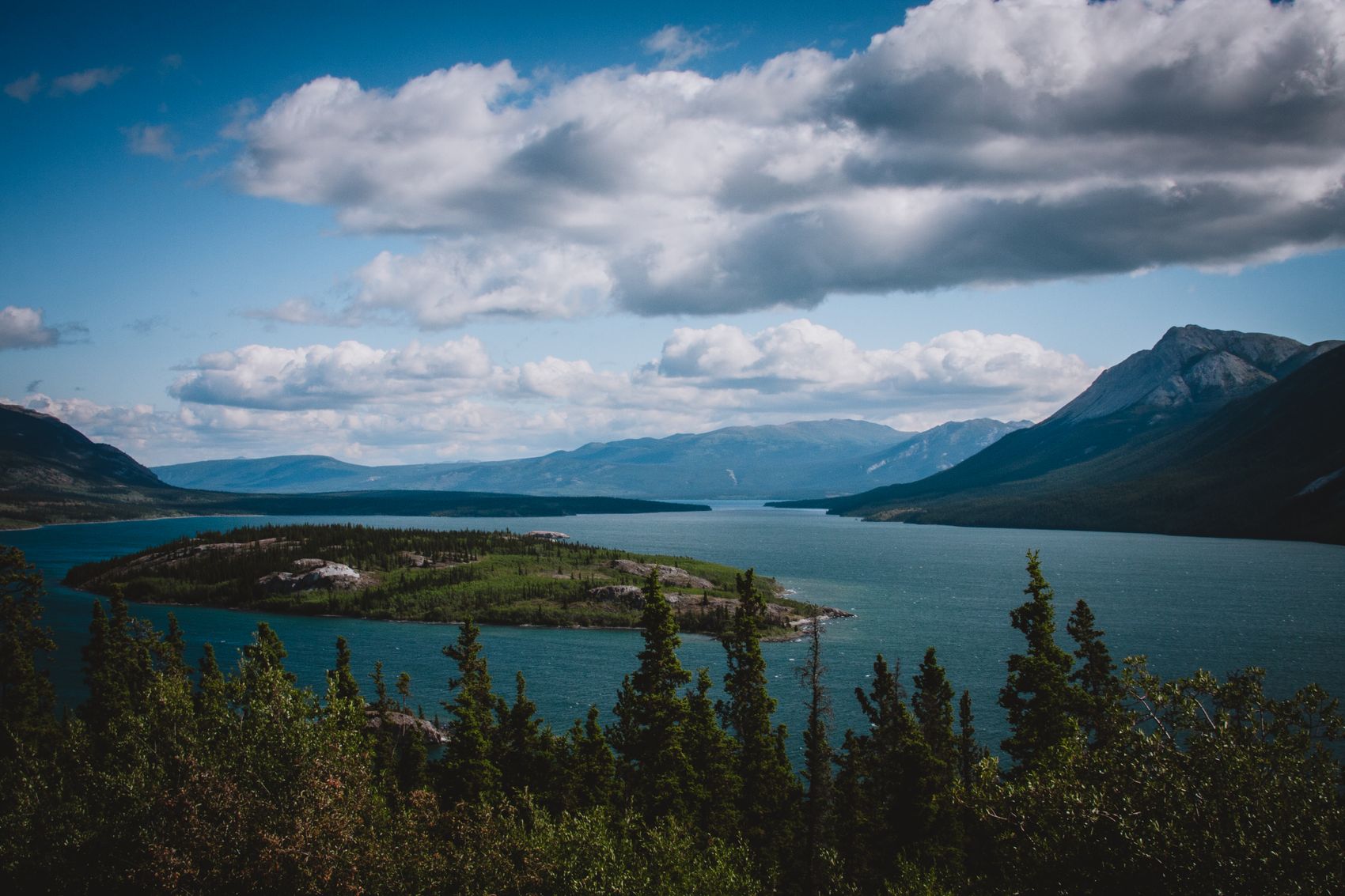
Angler’s Paradise: A Beginner’s Guide to Fishing the Yukon
What you can catch
The headline species are lake trout, northern pike, arctic grayling, and, in season, chinook salmon. Lake trout grow large in the cold deep lakes; pike lurk in weedy bays and hit hard; grayling, with their sail-like dorsal fin, are a joy on light tackle in rivers. Each rewards a slightly different approach and season.
Lake trout are the fish most visitors picture. They live deep and cold, and in the big lakes — Kluane, Laberge, Teslin, Kusawa — they reach sizes that would be remarkable further south. They are also slow-growing, which is the whole argument for careful handling and modest limits. A large lake trout can easily be older than the person holding it, and a lake that gets emptied of its big fish takes decades rather than seasons to recover.
Pike are the opposite temperament. They sit in shallow weedy bays warmed by the sun, ambush anything that moves, and will follow a lure right to the boat and hit it at your feet. Grayling are the everyday fish of the territory — abundant in clear rivers and creeks, willing to take a dry fly, rarely large, and almost always the species a beginner catches first. Chinook salmon are a different matter entirely: runs on the Yukon River have been under severe pressure, and closures or heavy restrictions are common, so treat salmon as something to read the current rules about rather than something to plan a trip around.
Licences and rules
Everyone fishing in the Yukon needs a valid angling licence, available online and from many local outlets; non-residents buy a Yukon licence and, for salmon, additional considerations apply. Read the current regulations for catch limits, closed waters, and conservation rules — they protect fragile northern fisheries, and enforcement is real.
Licence categories differ for residents and non-residents, and there are seasonal and shorter-term options, so buy the one that matches how long you are actually fishing rather than defaulting to the longest. Some waters sit inside national or territorial parks, or on First Nations settlement land, and carry their own rules on top of the territorial ones. The regulations summary is free and is reissued each year; read the section covering the specific water you plan to fish rather than assuming a general rule applies everywhere. Special-management lakes near Whitehorse in particular often have tighter size and possession limits than the territory-wide defaults.
Gear basics
A medium spinning outfit covers most lake and pike fishing; a light fly rod is ideal for grayling on streams. Bring polarised sunglasses, layered clothing, and bug protection. If you’re flying in, most lodges and guides supply gear — handy for visitors who don’t want to travel with rods.
For a self-driving trip, a two-piece or four-piece rod that fits inside the vehicle without being threaded past the windscreen saves a great deal of irritation. Bring more terminal tackle than you expect to use: spoons and spinners, a few heavier jigs for getting down to summer lake trout, and wire or heavy fluorocarbon leader for pike, which will otherwise cut straight through light line. Restocking is possible in Whitehorse and, more limitedly, in Dawson City and Haines Junction, but do not count on finding a specific lure in a small community on a Sunday.
When to go: the fishing year
Ice comes off the lakes somewhere between late April and early June depending on the year, the elevation, and the size of the lake — the big deep ones are always last. The weeks immediately after break-up are the best of the whole year for lake trout, because the fish are near the surface and can be taken on ordinary gear without downriggers or lead-core line. By mid-July they have dropped deep in search of cold water and the fishing becomes noticeably more technical.
Grayling fish well all summer once the rivers drop and clear after the melt, usually from late June onward. Pike are reliable from break-up through August, and best on warm afternoons in shallow bays. September is quietly one of the finest months of the year: the bugs are gone, the lake trout move back up as the surface cools, the traffic on the highways has thinned, and the aspen and tundra are turning.
Winter fishing is a real activity here rather than a novelty — ice fishing for lake trout and burbot on the lakes within reach of Whitehorse, usually with an operator who has an auger, a heated shelter, and a working idea of where the fish are holding. It is also the only kind of Yukon fishing you can reasonably combine with an aurora forecast on the same day.
Where to go
Roadside lakes and rivers along the highways offer excellent, accessible fishing, while fly-in lodges open up remote trophy waters far from any road. Guided trips — by boat in summer, through the ice in winter — are the fastest way for beginners to find fish and learn the water.
In practice most visitors fish somewhere off the Alaska Highway, the Klondike Highway, or the South Klondike Highway toward Skagway, because that is where the pull-outs, boat launches, and campgrounds are. Roadside water does get fished, so it pays to walk twenty minutes from the parking area, or launch and cross to the far shore, or work the inlet and outlet streams rather than the obvious bank everyone else stands on.
Fly-in lodges are the other end of the scale. You charter out of Whitehorse or another base, land on a lake that may see a few dozen anglers in an entire season, and fish water where the trout have not learned much. It is expensive, it has to be booked well ahead, and the season is short — but it is the closest thing the territory offers to a guarantee.
What a trip actually involves
Distances are the thing people underestimate. A lake that looks close to Whitehorse on the map may be ninety minutes each way, and anything beyond Haines Junction or Carmacks turns into a full day before you have made a single cast. Allow for gravel sections, fuel stops that are far apart, and the fact that the last few kilometres to many lakes is a rough track that a low-clearance rental car will not enjoy.
Guided day trips out of Whitehorse are the simplest way in for a first visit: boat, gear, licence advice, and local knowledge in one package, and you will learn more in a day than in a week of guessing. Multi-day and fly-in trips need booking months ahead for July and August, which is the short window when everyone wants to be here. If you are travelling without a vehicle, a guided trip is effectively your only option, because almost nothing worth fishing is walkable from town.
Mistakes beginners make
The commonest is fishing the middle of a big lake in July with summer gear and wondering where the trout have gone. They are down where the water is cold, and without a way of getting a lure to them you are better off spending the same afternoon on a river after grayling, or in a warm weedy bay after pike.
The rest are unglamorous. Underestimating wind on large lakes, which can turn a flat morning into an unpleasant crossing by noon. Bringing one pair of polarised sunglasses and no spare. Ignoring insects until they ruin the day. Leaving no slack in the schedule, so a day lost to weather becomes a trip with no fishing in it at all. And cleaning fish carelessly at the shore or the campground table — bad manners anywhere, and genuinely dangerous in bear country.
Fish responsibly
Practise catch-and-release where appropriate, handle fish gently and quickly, and never take more than the rules and your needs allow. In bear country, clean fish carefully and manage scraps and food to avoid attracting wildlife.
From a lazy afternoon on a roadside lake to a bucket-list fly-in expedition, the Yukon delivers fishing that lives up to the hype — in scenery that’s worth the trip on its own.
Frequently asked questions
Do I need a fishing licence in the Yukon?
Yes. All anglers need a valid Yukon angling licence, available online and from local outlets. Salmon fishing has additional rules, so check current regulations.
What fish can I catch?
Common catches include lake trout, northern pike, and arctic grayling, plus chinook salmon in season.
Do I need my own gear?
Not necessarily. Most guided trips and fly-in lodges supply rods and tackle, which is convenient for visitors travelling without equipment.
When is the best time of year to fish?
The weeks just after ice-off, roughly late May into June, are the easiest time for lake trout because the fish are still near the surface. Grayling fish well all summer once the rivers clear, and September combines good fishing with no bugs and far fewer people.
Can I fish without a vehicle?
Only with a guide, in practice. Very little worthwhile water is within walking distance of Whitehorse or Dawson City, so visitors without a car generally book a guided day trip, which includes gear and transport.
Where to stay
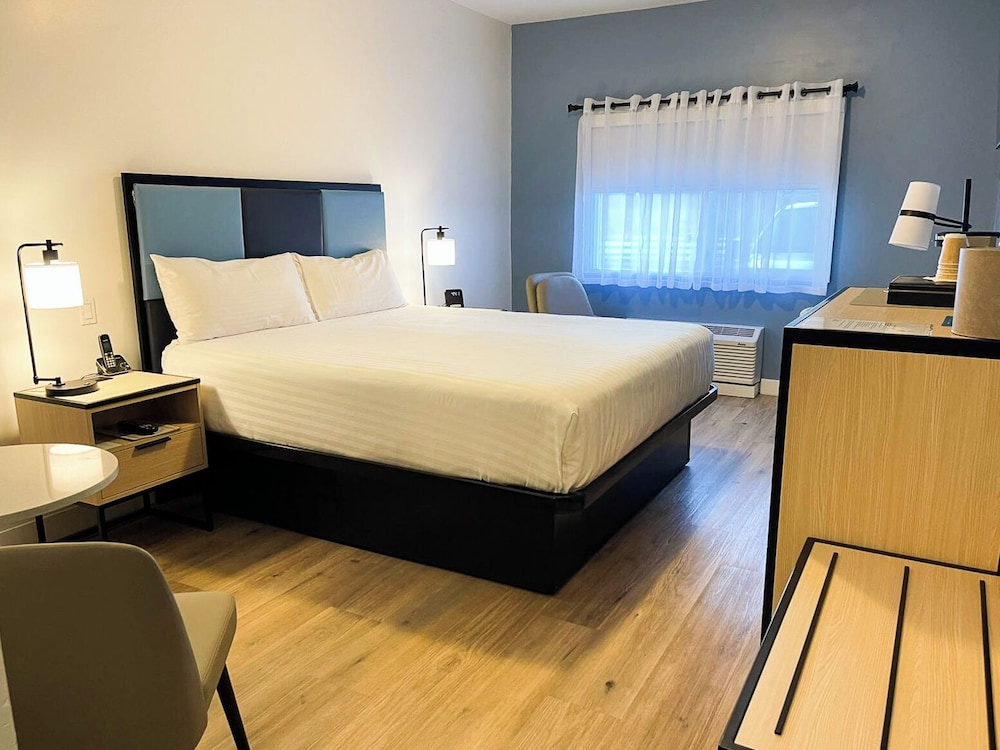
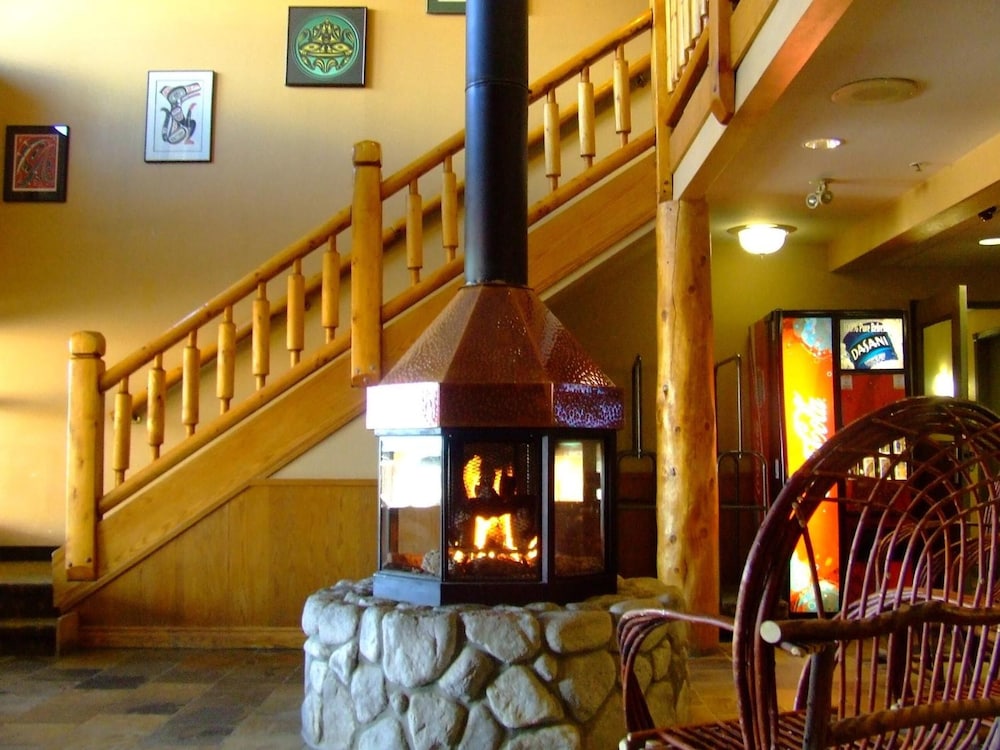
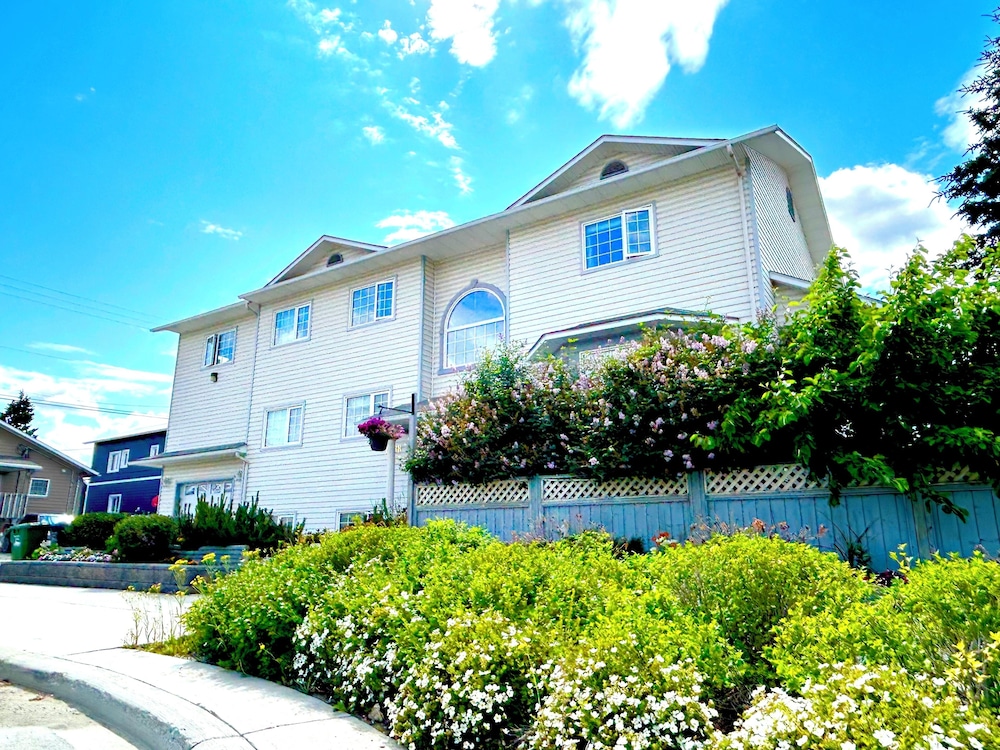
Rooms worth pairing with this guide.

Ready to plan this trip?
Real prices for the places this piece names.


