
Hiking & Outdoors
Paddling the Iconic Yukon River: What Every Canoeist Needs to Know
7 min read
Paddling the Iconic Yukon River: What Every Canoeist Needs to Know
Why this river is different
The Yukon is a big, powerful river, but the section most paddlers travel is not whitewater. It is a broad, fast-flowing highway of moving water that does much of the work for you, carrying your canoe downstream at a steady clip while you watch the banks slide past. That makes it ideal for reasonably fit beginners with basic camping skills, and it is why so many first-time wilderness canoeists cut their teeth here. You are not fighting the river; you are travelling with it.
That said, this is genuine backcountry. There are no roads, no shops, and no easy exits between put-in and take-out. Weather can change quickly, water is cold, and self-sufficiency is the rule. Anyone attempting the trip should be comfortable reading current, handling a loaded canoe, camping for several days, and dealing with wildlife responsibly.
The route, day by day
Most trips launch from Whitehorse and end at the bridge in Carmacks, where a road allows a shuttle pickup. The first major feature is Lake Laberge, a long, wide lake immortalised in Robert Service’s poem "The Cremation of Sam McGee." The lake is the one stretch that demands real respect: with no current to help and plenty of open water, a headwind can whip up waves that pin paddlers on shore for hours. Start early, hug the shoreline, and be willing to wait out the wind.
Below the lake the river narrows and quickens through the Thirtymile section, a designated Canadian Heritage River reach that many paddlers rank as the most beautiful of the trip — clear water, sharp bends, and the remains of old woodcamps and telegraph stations along the banks. From there the river broadens again and rolls steadily toward Carmacks, past Hootalinqua and the ghostly wreck of the sternwheeler Evelyn on Shipyard Island.
The whole Whitehorse-to-Carmacks run is a little over 300 kilometres. Most groups take five to eight days, which sounds generous until you have spent a morning windbound on Laberge or a whole afternoon at a camp you did not want to leave. Paddling six or seven hours a day is comfortable; the current does the rest. Building in one spare day is the single best planning decision you can make, because the lake will eventually take it from you anyway.
When to go and how long to allow
The paddling season runs from roughly June to early September. June brings high water, very long days, and the worst of the mosquitoes. July is the warmest and busiest. August is the sweet spot for many: water levels have settled, the bugs have eased, and by the end of the month the nights are dark enough to see stars again after a summer of near-permanent light.
September is possible for experienced groups but the margins narrow quickly. Nights get genuinely cold, weather systems move through faster, and a capsize in cold water with fewer people on the river is a more serious situation. Whatever month you choose, plan around the fact that the season is short, outfitters are booked well ahead, and the shuttle back from Carmacks has to be arranged before you launch, not after.
What the water is actually like
Below Whitehorse the Yukon runs clear and green and fast, and the sensation on the first afternoon is of being pulled along by something enormous and entirely indifferent. There are no rapids on the Whitehorse-to-Carmacks section that require technical skill, but there is plenty of moving water: boils, eddy lines, sweepers on the outside of bends, and gravel bars that appear where the channel splits. Read the water ahead, stay off the outside of corners where the current piles into cut banks, and you will have no trouble.
The cold is the thing to take seriously. The river is fed by snow and glaciers and stays cold all summer, so a swim is a genuine hazard rather than an inconvenience. Wear your life jacket, keep a change of warm clothes in a dry bag lashed inside the boat rather than at the bottom of a pack, and never separate yourself from the canoe if you do go in. Downstream of Carmacks the river changes character again once the White River adds its glacial silt and the water turns opaque and grey.
Wildlife and camps
Because you travel quietly and low to the water, the Yukon is superb for wildlife. Bald eagles perch in the spruce, moose wade in the shallows, beavers slap the water at dusk, and black bears occasionally patrol the shoreline. Camp on the gravel bars and islands, which stay cooler and buggier-free than the forest and leave less impact. Practise strict food storage, keep a clean camp, and give any animal you meet a wide, calm berth.
Choosing a camp is a skill you acquire by about day three. Look for an island or a gravel bar with a breeze, an easy landing that will not strand the canoe if the water drops overnight, and firm ground above the high-water line. Cook and store food well away from where you sleep, burn or pack out everything, and use the river rather than the bank for washing up. The bars are also where the best evenings happen — driftwood fires, wide views up and down the river, and light that lasts past midnight in June.
Common mistakes
Overpacking is the first. A loaded canoe is harder to handle in wind, harder to lift off a gravel bar, and no more comfortable to camp from. The second is treating Lake Laberge as a formality — it is where most trips lose time, and paddlers who plan to cross it in the afternoon rather than at dawn frequently do not cross it that day at all.
The others are about preparation. Bringing cotton, which stops working the moment it is wet. Carrying a single map with no backup and no compass. Assuming a phone will find a signal somewhere along the way, which for most of the route it will not. And, most often, underestimating the sun — reflected off water for eight hours a day it will burn you comprehensively, even on an overcast afternoon.
Going all the way to Dawson
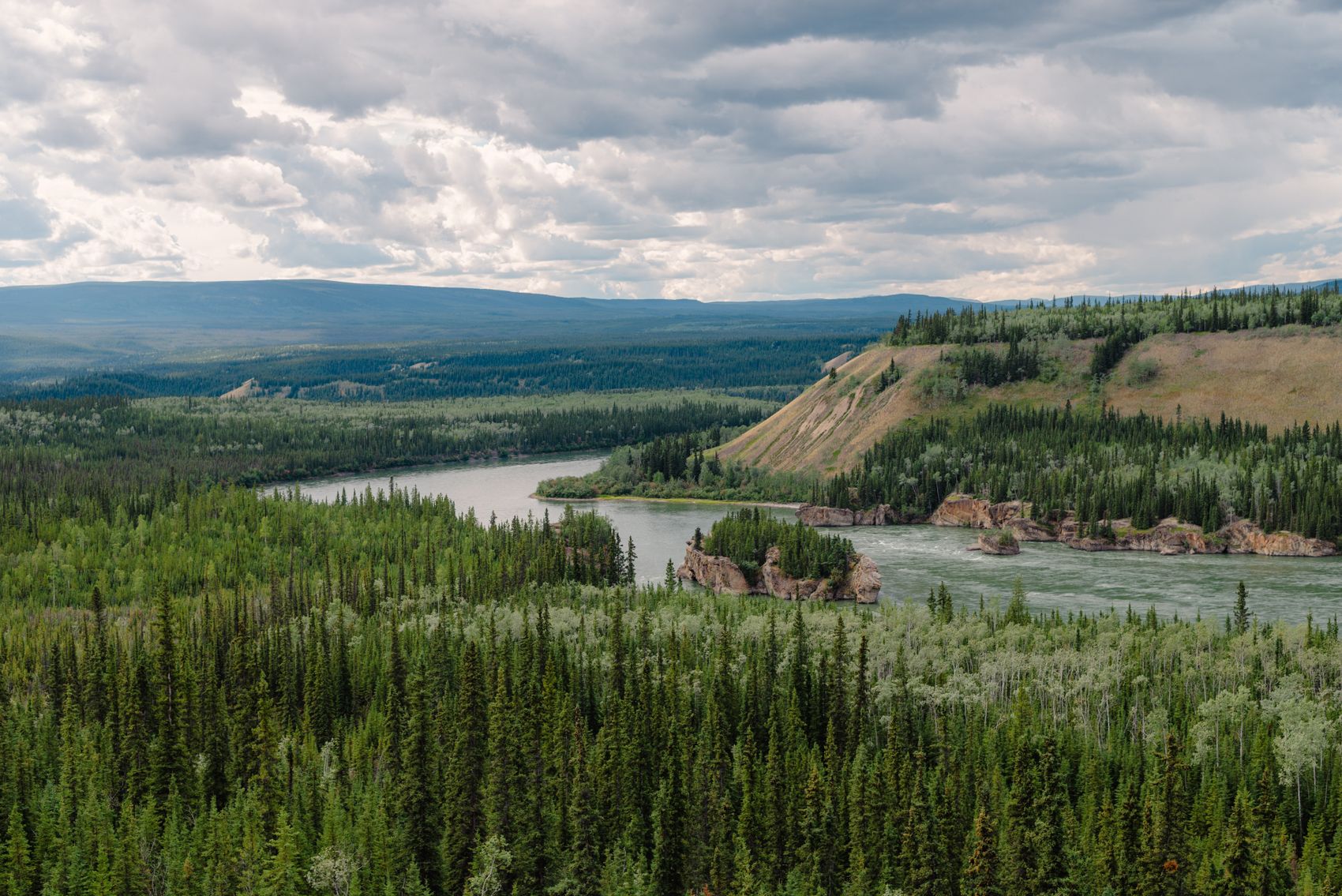
Carmacks is the natural end point for a first trip, but the river keeps going, and so do some paddlers. The Carmacks-to-Dawson leg is roughly another 400 kilometres, and it includes the only named obstacle on the route: Five Finger Rapids, where basalt pillars split the river into channels and boats take the right-hand one. It is a straightforward run at normal levels and an intimidating sight from the highway viewpoint above it.
Below that the river widens, the country flattens, and the trip becomes a long, meditative float past the mouths of the Pelly, the White, and the Stewart, with the remains of woodcamps and settlements at intervals along the banks. Allowing two weeks or more for Whitehorse to Dawson is realistic. Arriving in Dawson by water, at the same landing where the stampeders arrived, is a considerably better ending than a car park in Carmacks.
Planning and outfitting
You have two broad options. Experienced paddlers with their own gear can run the trip independently, arranging a canoe rental and a shuttle back from Carmacks through one of the outfitters in Whitehorse. Everyone else can join a guided expedition, where a professional handles route-finding, camp craft, and cooking, and you simply paddle and take it all in. Either way, book early for summer, the short season when the river is busiest.
If you want a real challenge, time your visit to the Yukon River Quest, billed as the world’s longest annual canoe and kayak race, which runs from Whitehorse all the way to Dawson City. Watching the racers launch — or paddle through the night under the midnight sun — is a spectacle in itself, even if you have no intention of competing.
Pack for cold water and warm sun in the same day: layers, reliable rain gear, a warm hat, sun protection, and a dry bag for anything that must stay dry. Bring more insect repellent than you think you need. And leave room in your schedule to simply drift — to ship the paddle, lie back against the packs, and let the country carry you the way it once carried everyone who came this way. It is the closest most of us will ever come to travelling by the oldest highway in the North.
Frequently asked questions
Do I need whitewater experience to paddle the Yukon River?
Not for the usual Whitehorse-to-Carmacks section, which is fast-moving but not technical. You do need to be comfortable handling a loaded canoe, reading current, and camping self-sufficiently for several days.
How long does the Whitehorse to Carmacks trip take?
Most groups take five to eight days for the roughly 300 km, paddling six or seven hours a day. Add a spare day for wind on Lake Laberge, which is where trips most often lose time.
When is the best time to paddle?
June to early September. June has the longest days and the worst mosquitoes, July is warmest and busiest, and August often offers the best balance of settled water, fewer bugs, and returning darkness at night.
Can I do the trip without my own canoe?
Yes. Whitehorse outfitters rent canoes and arrange the shuttle back from Carmacks, and guided expeditions supply everything including food and camp craft. Book well ahead, because the season is short.
Where to stay
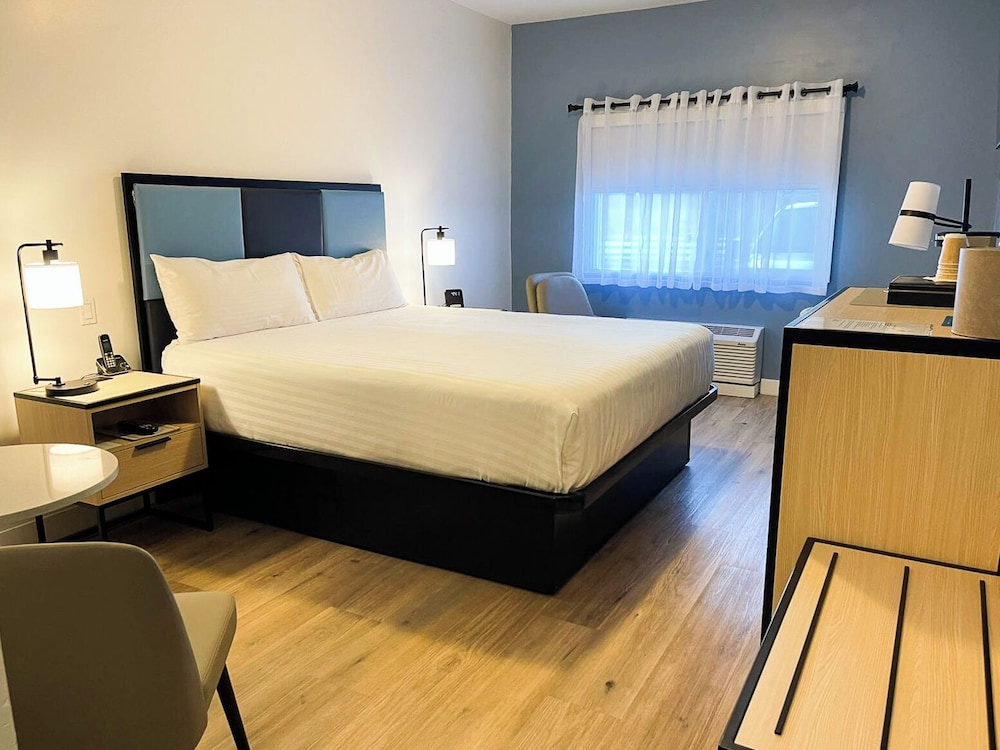
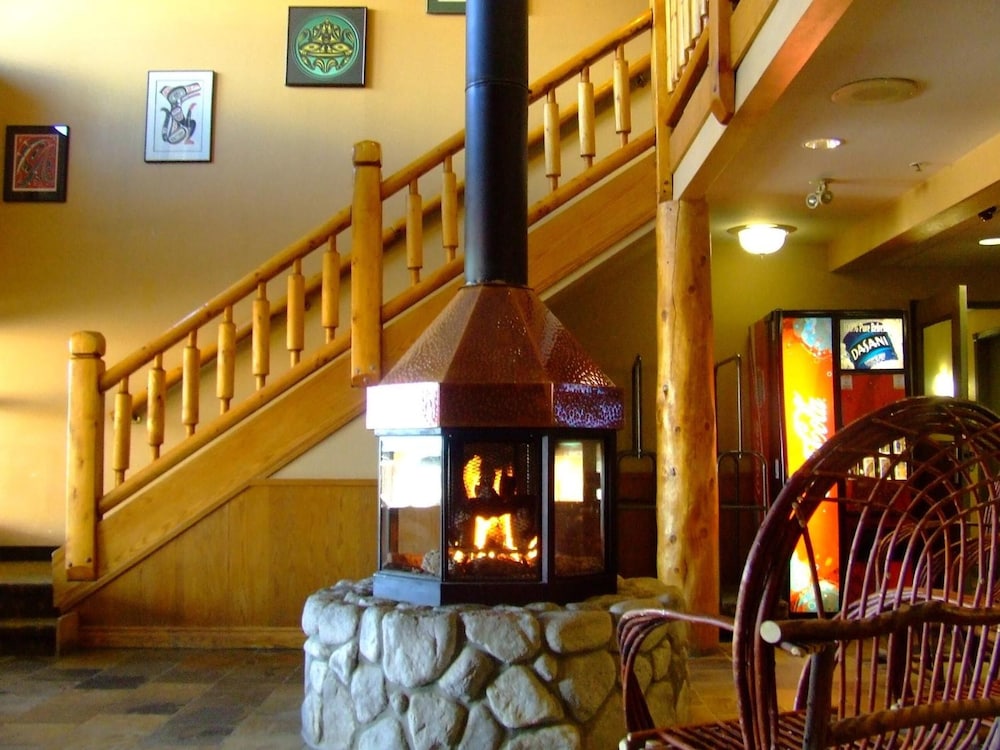
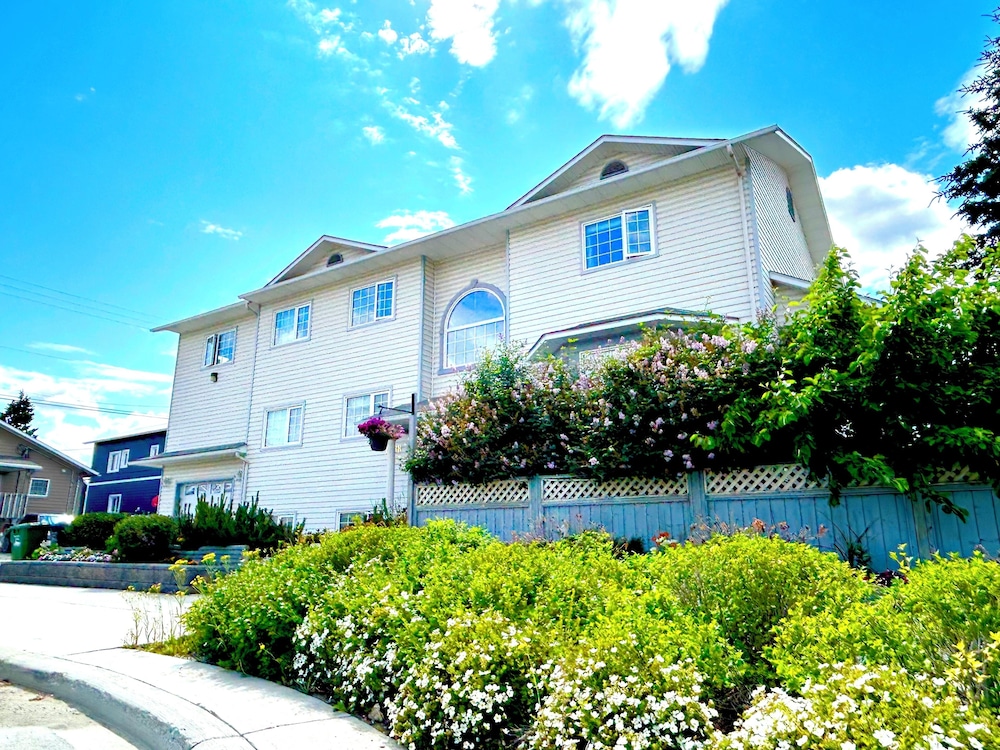
Rooms worth pairing with this guide.

Ready to plan this trip?
Real prices for the places this piece names.


