
Planning & Tips
Leave No Trace at 60° North: How to Be a Responsible Yukon Visitor
6 min read
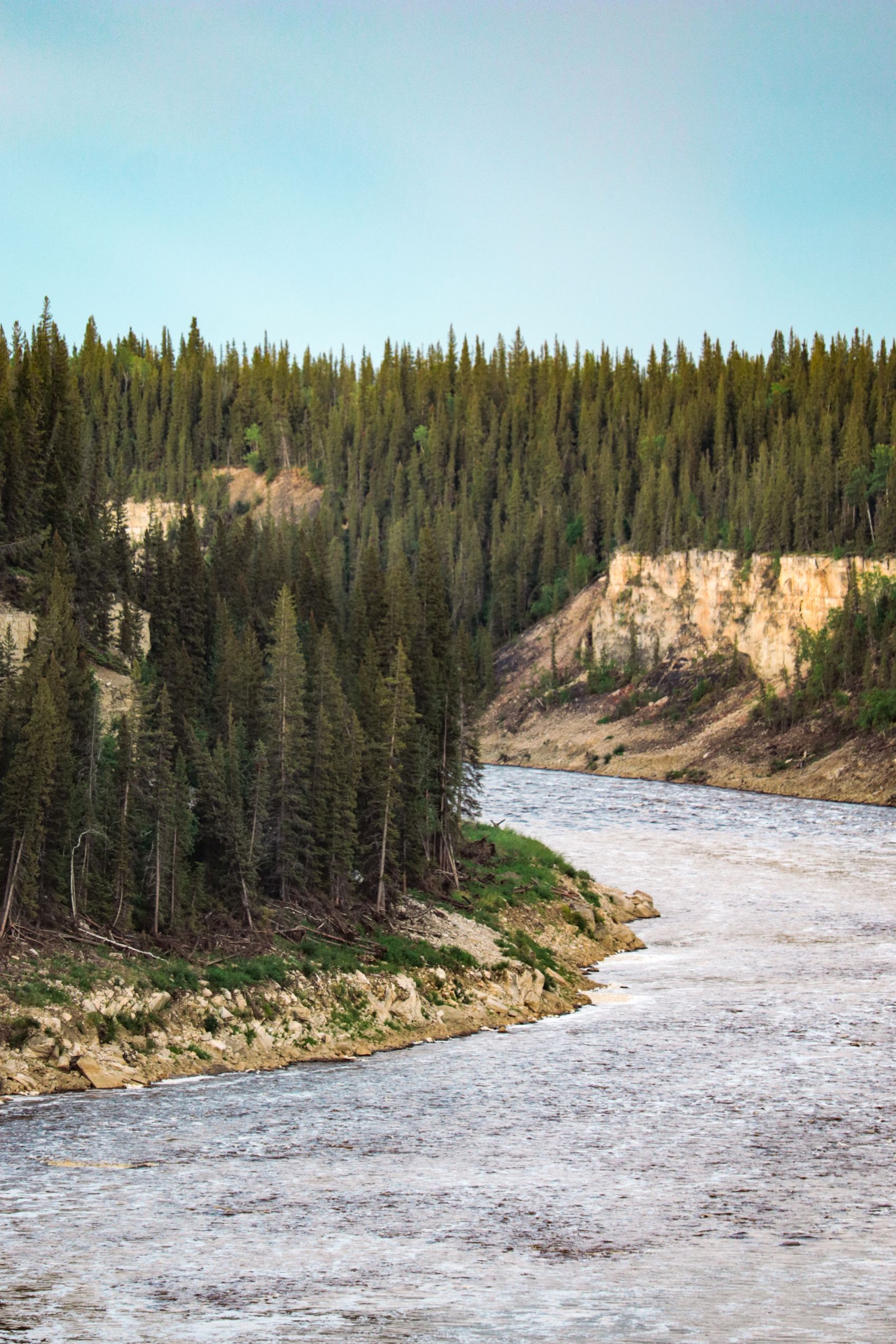
Leave No Trace at 60° North: How to Be a Responsible Yukon Visitor
1. Stay on trails and durable surfaces
Tundra and alpine vegetation grow agonisingly slowly, and a single careless boot track can scar the ground for years. Stick to established trails, walk on rock or gravel where possible, and avoid trampling fragile plants.
2. Pack it in, pack it out
Carry out everything you bring, including food scraps and biodegradable waste, which decompose extremely slowly in the cold and can attract wildlife. Leave campsites and pull-offs cleaner than you found them.
3. Give wildlife space
Watch animals from a distance with binoculars or a long lens, never feed them, and never approach for a photo. A fed or habituated animal often ends up dead, so keeping wildlife wild is an act of protection.
4. Handle fire with care
Wildfire is a serious northern risk. Use established fire rings, keep fires small, never leave them unattended, drown them completely, and obey any fire bans. When in doubt, skip the campfire.
5. Protect the water
Keep soap, food waste, and human waste well away from lakes, rivers, and streams. Use facilities where provided, and follow proper backcountry practices for waste where they’re not.
6. Respect First Nations lands and culture
Much of the Yukon is the traditional territory of First Nations. Learn whose land you’re on, follow local guidance, don’t disturb cultural or historic sites, and support Indigenous-owned businesses.
7. Travel light and local
Choose local operators, minimise waste and single-use plastics, conserve fuel and water, and consider the shoulder seasons to ease pressure on peak-time hotspots. Small choices add up across thousands of visitors.
The privilege of experiencing a landscape this wild comes with responsibility. Tread lightly, and you help ensure the Yukon that moved you stays just as wild and pristine for everyone who follows.
Frequently asked questions
Why is Leave No Trace so important in the Yukon?
Subarctic ecosystems like tundra recover extremely slowly, so even minor impacts — boot tracks, litter, food scraps — can scar the land for years.
How should I handle waste in the backcountry?
Pack out all trash and food scraps, keep waste away from water, use facilities where provided, and follow proper backcountry practices where they’re not.
How can I support local communities?
Choose local and Indigenous-owned operators, learn whose traditional territory you’re on, respect cultural and historic sites, and follow local guidance.
Where to stay
Rooms worth pairing with this guide.



Ready to plan this trip?
Real prices for the places this piece names.


