
Aurora & Night Sky
Cold-Weather Camera Gear: How to Protect Your Tech at -30°C
6 min read
Cold-Weather Camera Gear: How to Protect Your Tech at -30°C
Batteries are the first casualty
Cold kills battery life fast. Carry several spares and keep them in an inside pocket close to your body, rotating a warm one in as the one in the camera fades. A dead-seeming battery will often revive once it warms up, so don’t discard it — just cycle it back into a warm pocket.
Beware condensation
The biggest hidden danger is moving a cold camera into a warm room, which causes condensation to form on — and inside — the gear, potentially damaging electronics. The fix: before going inside, seal your camera in a zip-lock bag or padded case and let it warm up slowly, so condensation forms on the bag, not the camera.
Tripod and stability
Aurora and night shots need a sturdy tripod. Metal legs get painfully cold, so wrap the upper legs with foam or tape, and consider gloves that let you operate controls. A remote release or the self-timer avoids shake and keeps your bare hands off frozen metal.
Protect the lens and body
Avoid breathing on the lens, which instantly frosts it. Keep a lens cloth handy for frost and stray snowflakes. Some photographers use hand-warmer packs taped near the lens to prevent fogging on long night sessions.
Keep yourself functional
The best gear is useless if you can’t work the controls. Wear thin liner gloves under warmer mitts so you can briefly bare enough dexterity for settings, and dress warmly enough overall that you’re not rushing shots just to escape the cold. A headlamp with a red mode preserves night vision.
Simple pre-trip checklist
Spare batteries, a sealable bag for the warm-up transition, a solid tripod, a remote or timer, lens cloths, hand warmers, and liner gloves. Nail those basics and the cold becomes a manageable challenge rather than a trip-ruiner.
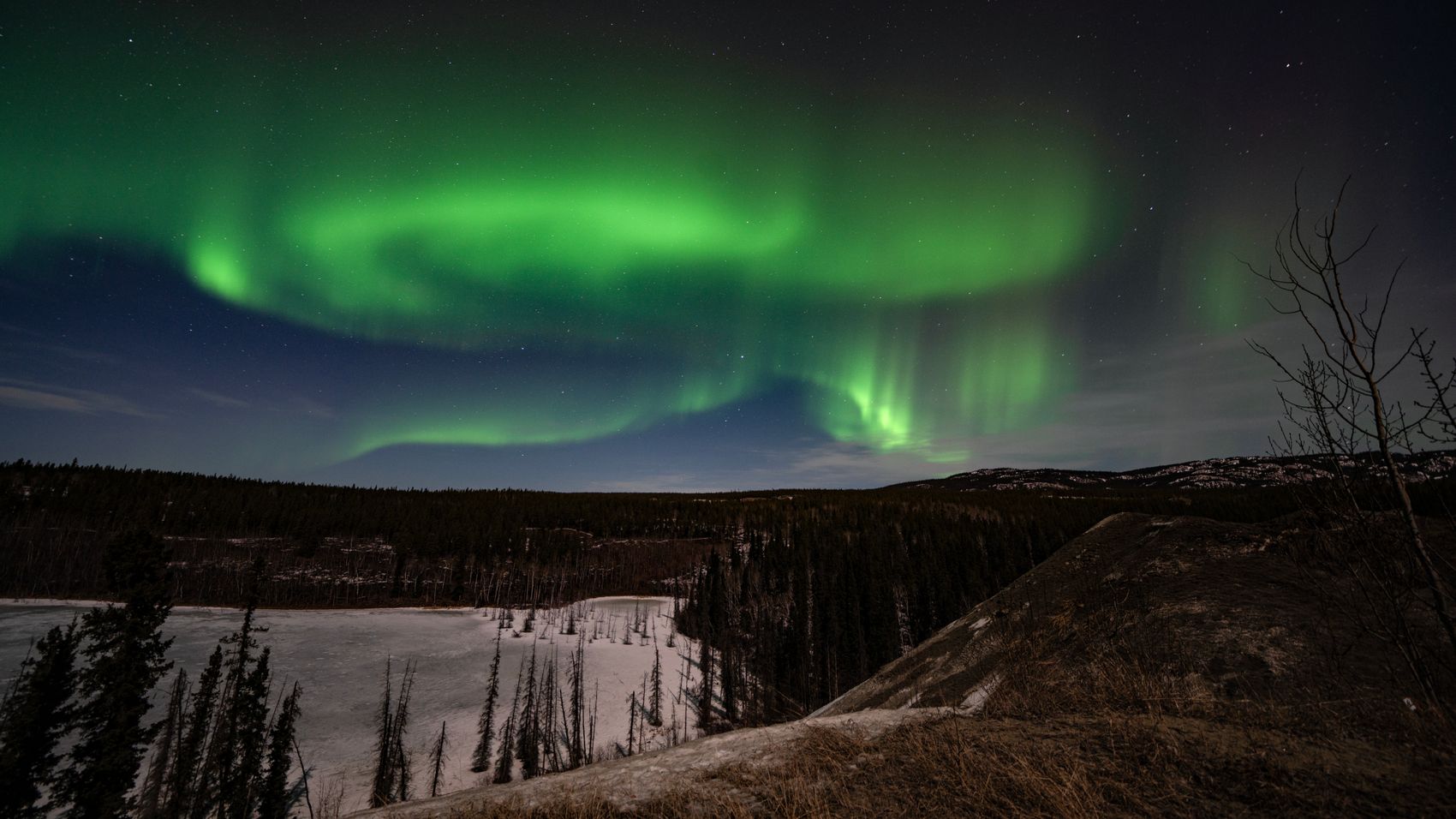
Protect your tech, and the Yukon rewards you with images — aurora, frost, and endless winter light — that make every frozen finger worth it.
Frequently asked questions
How do I stop my camera battery dying in the cold?
Carry spare batteries in an inside pocket to keep them warm, and rotate a warm one into the camera as the cold one fades. Cold batteries often revive once warmed.
How do I avoid condensation damage?
Before bringing a cold camera indoors, seal it in a zip-lock bag or case and let it warm slowly, so condensation forms on the bag instead of on and inside the camera.
What gear is essential for winter shooting?
Spare batteries, a sturdy tripod, a remote or self-timer, a sealable bag for the indoor transition, lens cloths, hand warmers, and liner gloves under mitts.
Where to stay
Rooms worth pairing with this guide.



Ready to plan this trip?
Real prices for the places this piece names.


